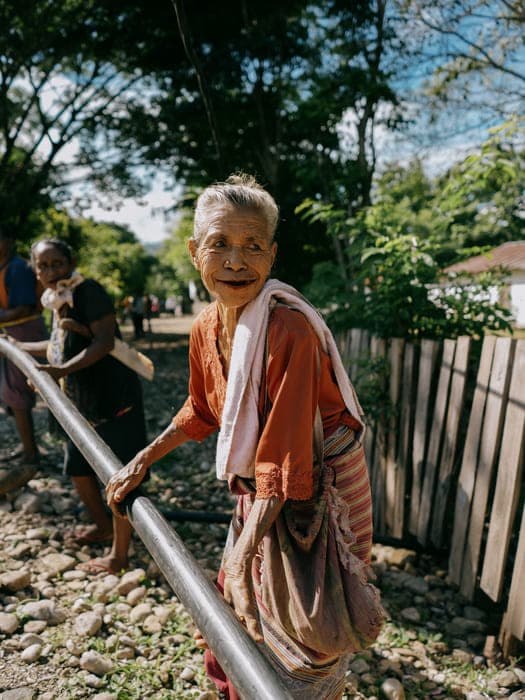
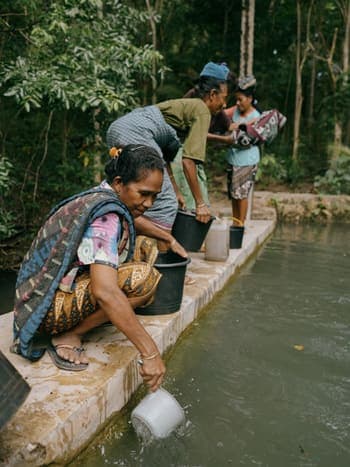
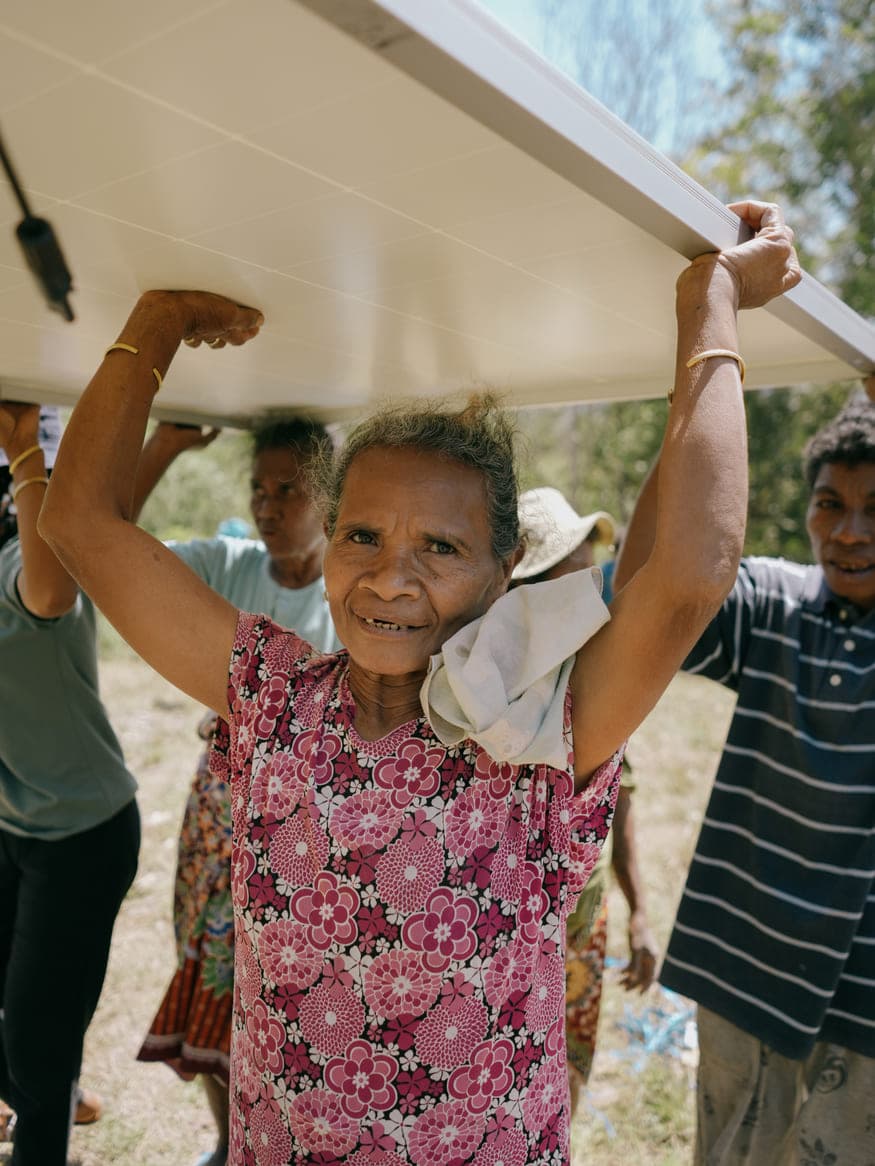
Nona carried her first jerrycans at 5. She's still carrying one at 65.
In East Nusa Tenggara, access to water hasn't changed for generations. This is the story of why, and how we're tackling it.





1.4 million people in NTT
face the same reality.
Collecting water is everyday work for many rural communities in NTT. Hundreds of thousands of people spend hours each day just to meet basic needs.
She walks 2 to 3 km before the day begins
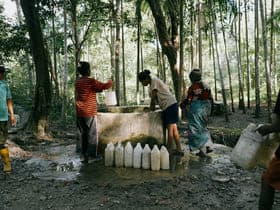
Walking to the nearest water source, often queuing for hours, then returning with just two jerrycans to last the family a day
Up to 4 hours lost every single day
Inadequate time that could go to work, school, or rest. Instead, it disappears into a task that should take minutes, not hours.
Without water, livelihoods stay small
Farming, the main source of income, becomes unpredictable. Growth is impossible when the basics are still a daily struggle.
The first 1,000 days set everything
Limited water access affects nutrition, health, and child development during the most critical window. The cycle starts before Nona's grandchildren can even walk.
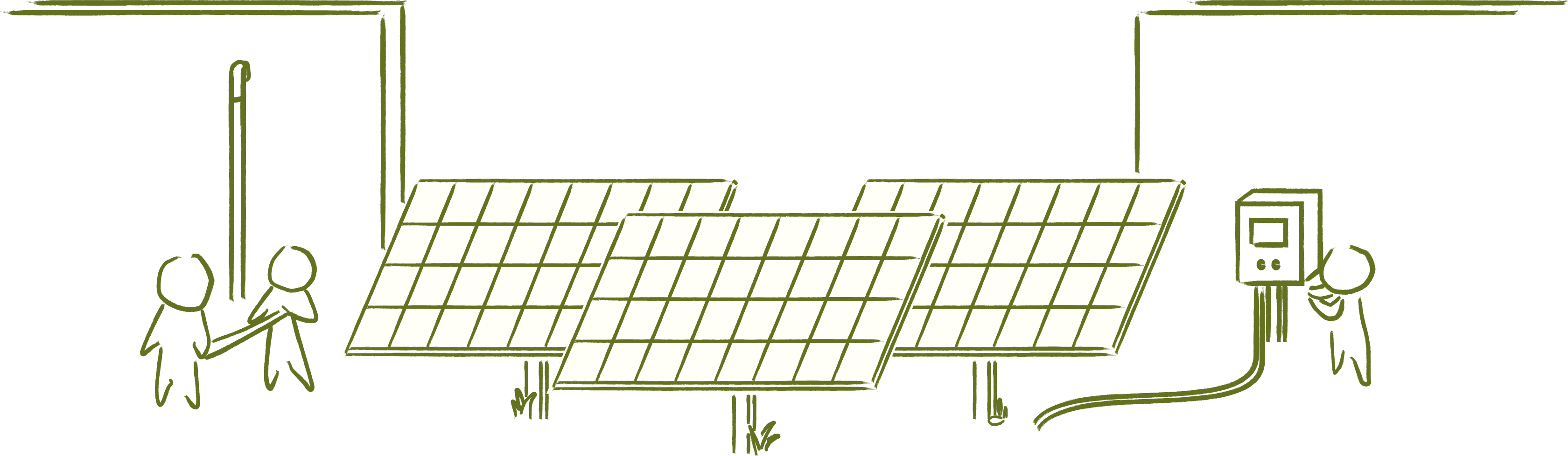
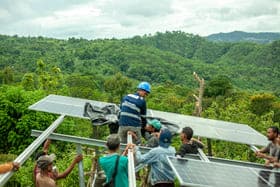
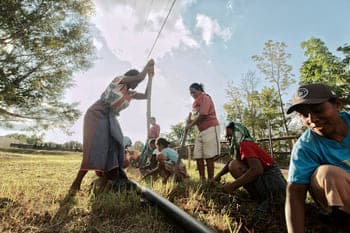
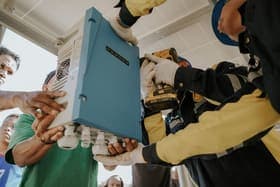
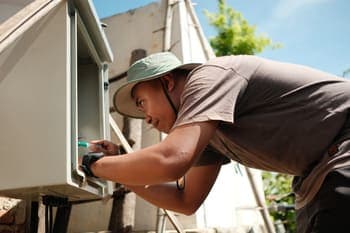
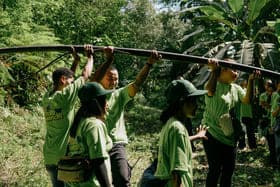
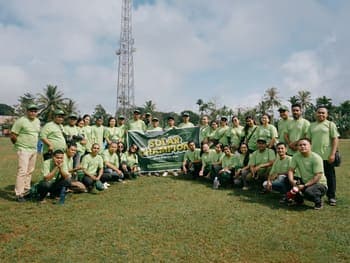
That's why we work
with communities beyond the infrastructure.
This is not just impact you can count — it's impact communities can feel every day.
Each number tells a story of time regained, resilience strengthened, and futures reshaped.
Our Impact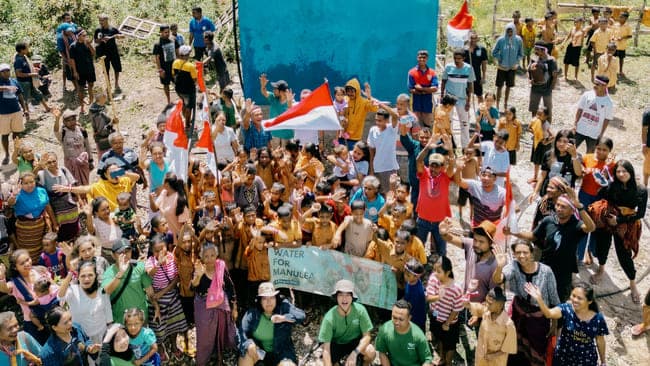
And it continues, long after the system is built.
Methodology: Impact data is collected through standardized baseline-endline surveys — 30–45 households per village (Slovin formula, 15% margin of error), minimum 50% women respondents, stratified across 3 economic levels. Quantitative results are cross-validated against Water IQ sensor data and direct field observation. Any discrepancy above 20% triggers a mandatory re-check.
This is not just impact you can count — it's impact communities can feel every day.
Each number tells a story of time regained, resilience strengthened, and futures reshaped.
And it continues, long after the system is built.
Methodology: Impact data is collected through standardized baseline-endline surveys — 30–45 households per village (Slovin formula, 15% margin of error), minimum 50% women respondents, stratified across 3 economic levels. Quantitative results are cross-validated against Water IQ sensor data and direct field observation. Any discrepancy above 20% triggers a mandatory re-check.
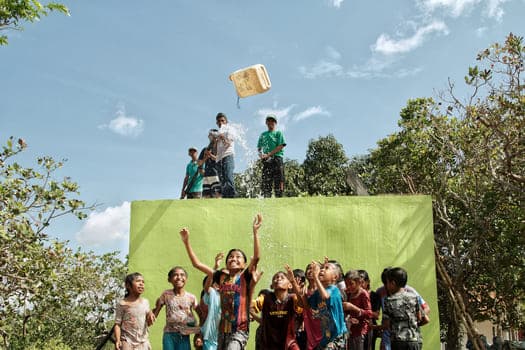
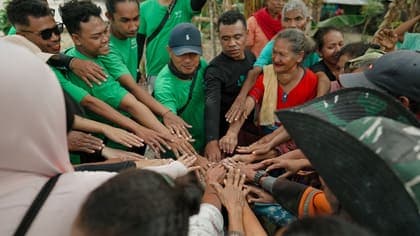
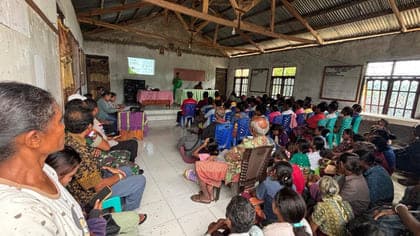
This is what happens when water arrives.

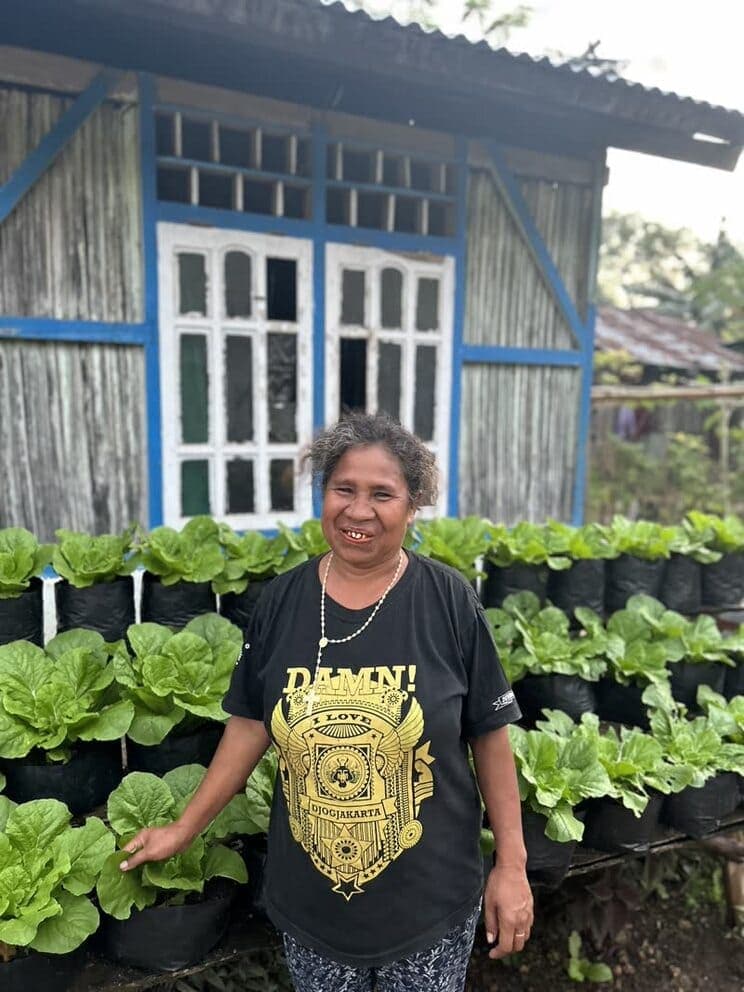
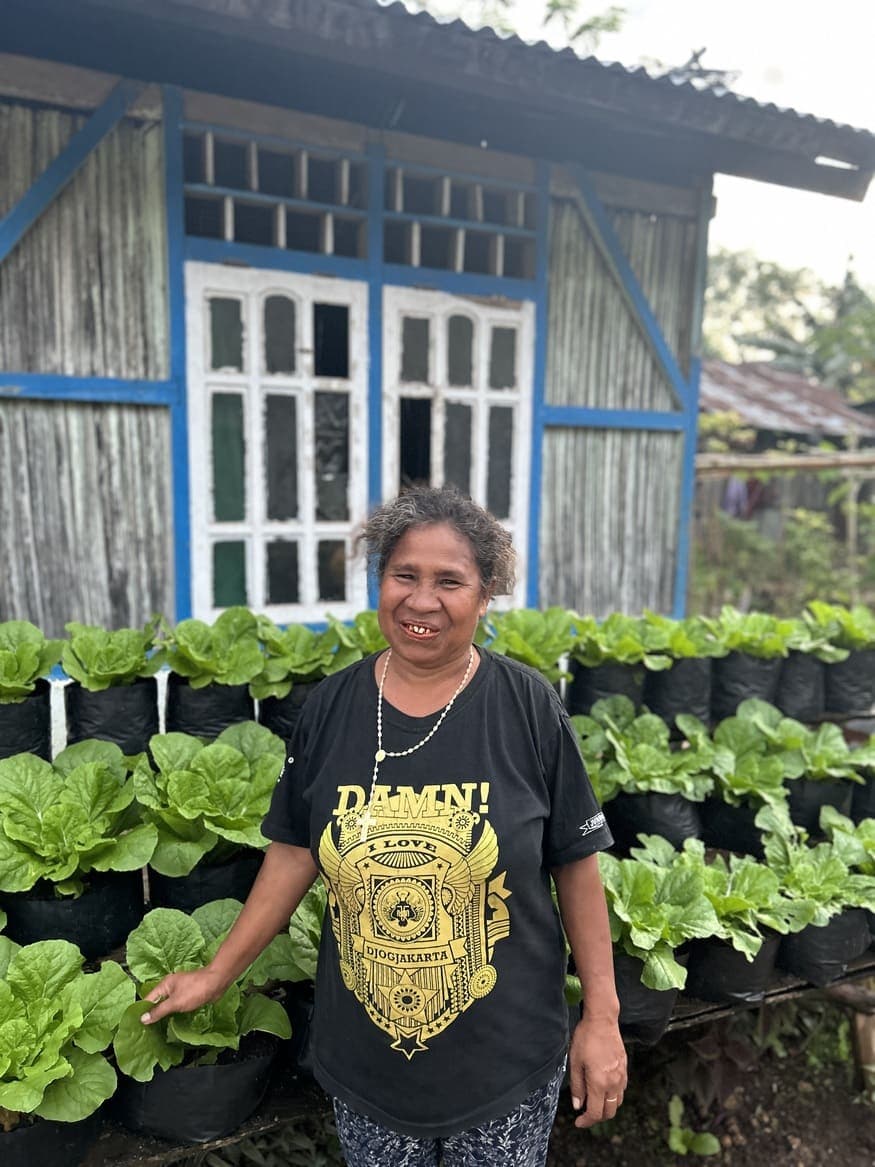
Water for Umutnana, 2018
“Now I have backyard full of green veggies, and I sell them at the market, using the money to send my first child to university in Malang.”
— Mama Yohanna (Water for Umutnana, 2018)
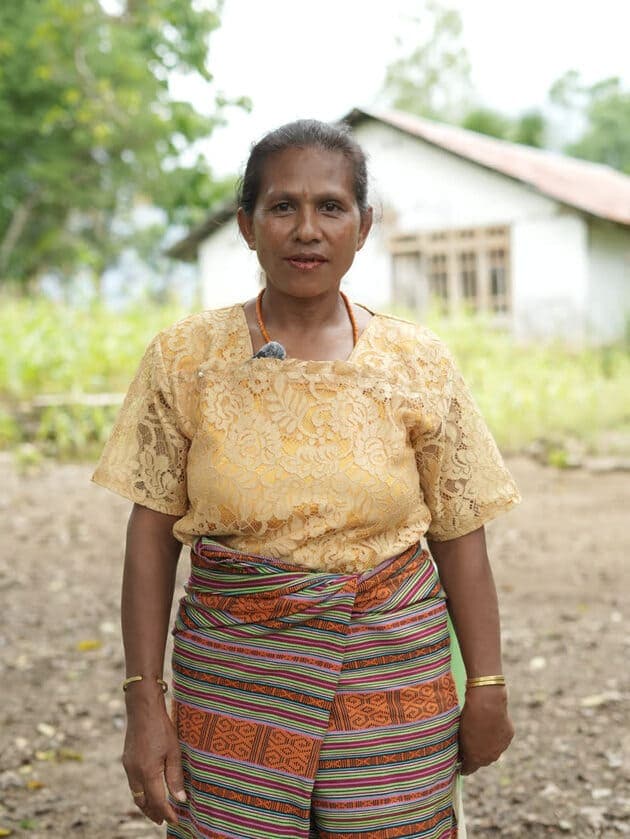
Water for Tublopo, 2025
“It's tough, Even though it's hard, we feel it's going to help us. That's why, no matter how hard it is, we keep working at it.”
— Mama Anggita, Water for Tublopo 2025
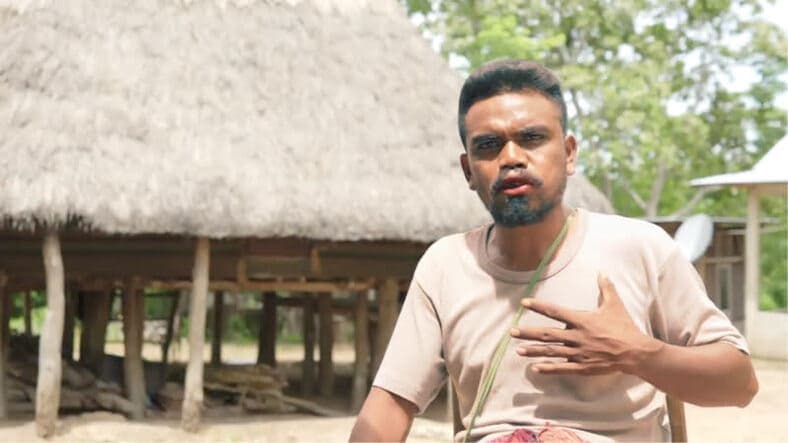
Water for Naisau, 2024
“It feels like heaven has come to our village. Water is finally here, and we don't have to struggle anymore. Now, we can do so much more, not just build water facility but also learn how to take care of them, so the water keeps flowing for generations to come.”
— Alfred, Water for Naisau 2024
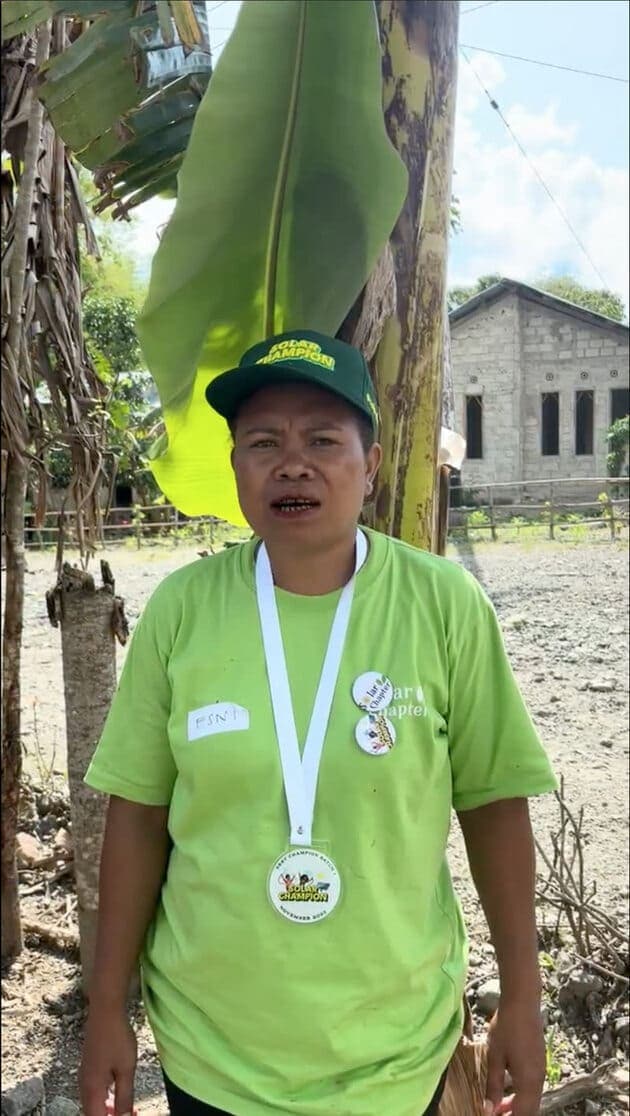
Water Committee Oenenu Selatan
“Afterward, we quickly engaged with our village, collected the first water fees with happiness, and set up new regulations for the Water Committee.”
— Mama Esni
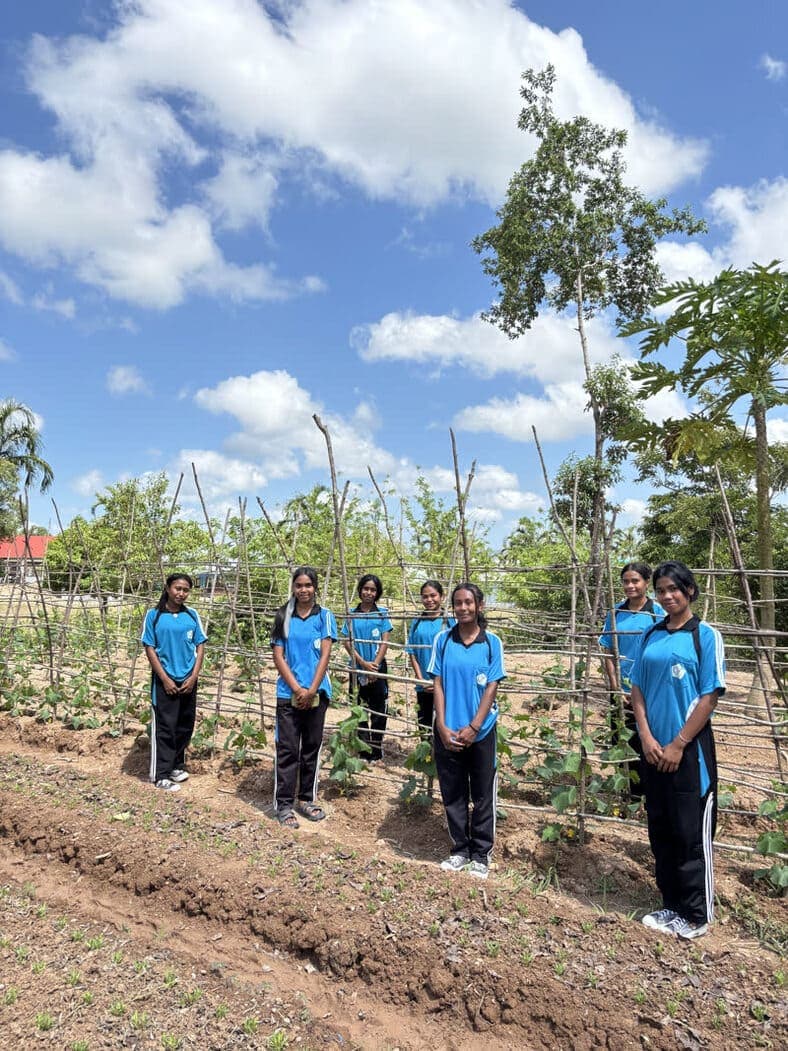
Water for SMK Sasitamean 2023
“Water is now closer to where we study and practice. We even received an award for participating in an agricultural exhibition in Kupang, where we showcased our farm products.”
— SMK Sasitamean
This is what happens when water arrives.
Water for Umutnana, 2018
“Now I have backyard full of green veggies, and I sell them at the market, using the money to send my first child to university in Malang.”
— Mama Yohanna (Water for Umutnana, 2018)
Water for Tublopo, 2025
“It's tough, Even though it's hard, we feel it's going to help us. That's why, no matter how hard it is, we keep working at it.”
— Mama Anggita, Water for Tublopo 2025
Water for Naisau, 2024
“It feels like heaven has come to our village. Water is finally here, and we don't have to struggle anymore. Now, we can do so much more, not just build water facility but also learn how to take care of them, so the water keeps flowing for generations to come.”
— Alfred, Water for Naisau 2024
Water Committee Oenenu Selatan
“Afterward, we quickly engaged with our village, collected the first water fees with happiness, and set up new regulations for the Water Committee.”
— Mama Esni
Water for SMK Sasitamean 2023
“Water is now closer to where we study and practice. We even received an award for participating in an agricultural exhibition in Kupang, where we showcased our farm products.”
— SMK Sasitamean
Strengthening systems that communities already lead.
Depending on who you are and what you bring, there are four ways to participate.
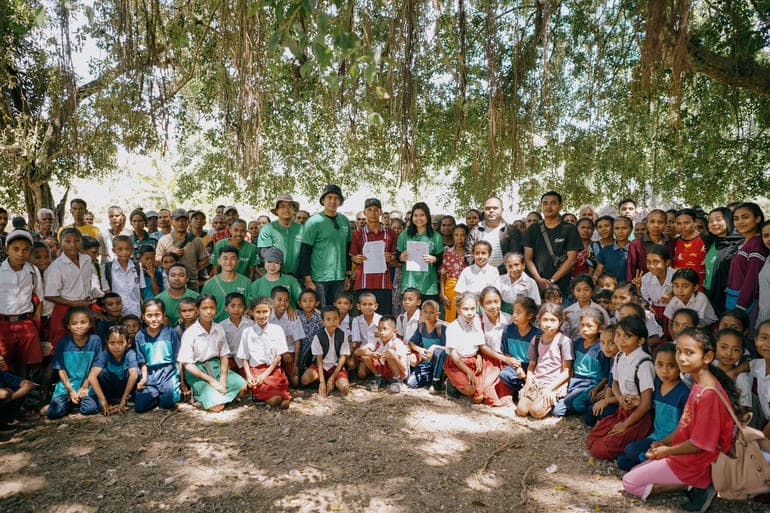
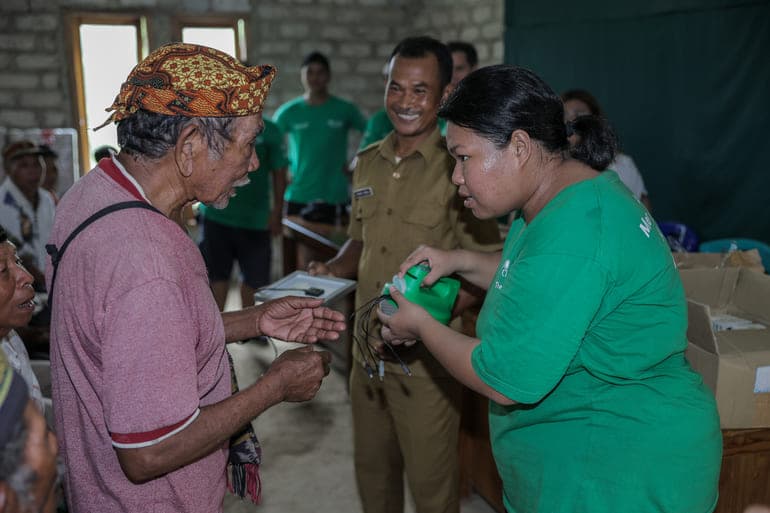
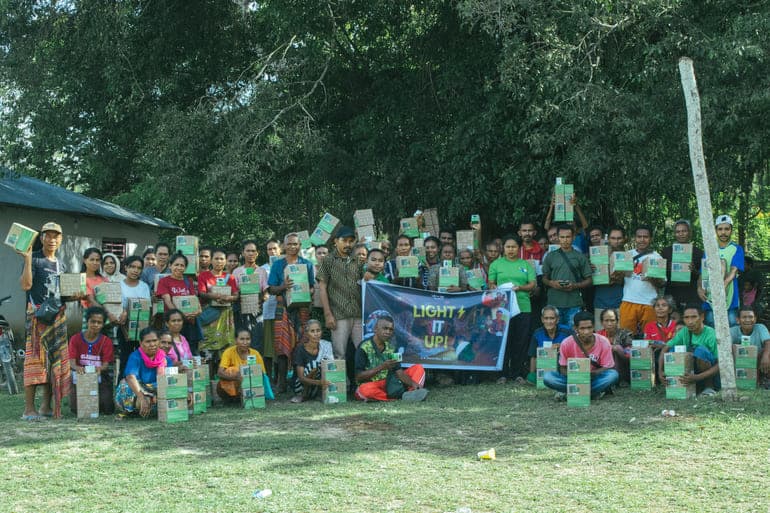
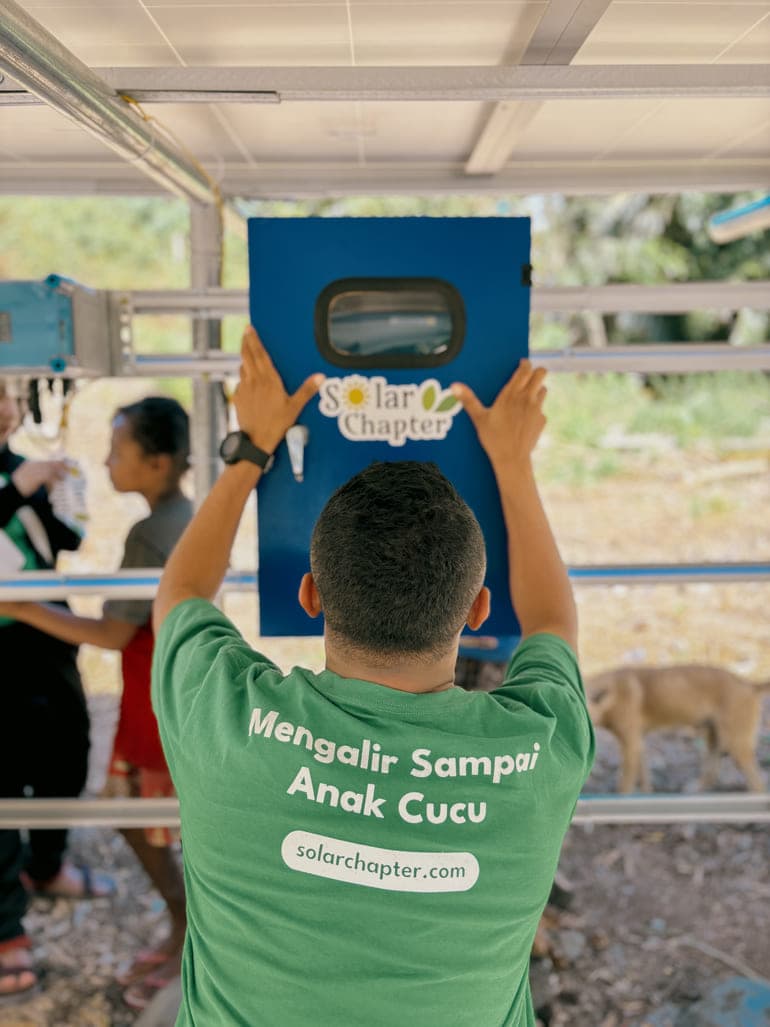
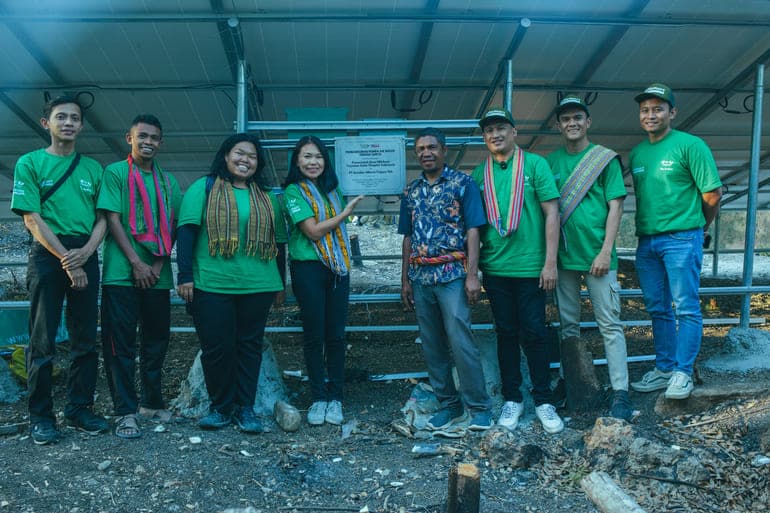
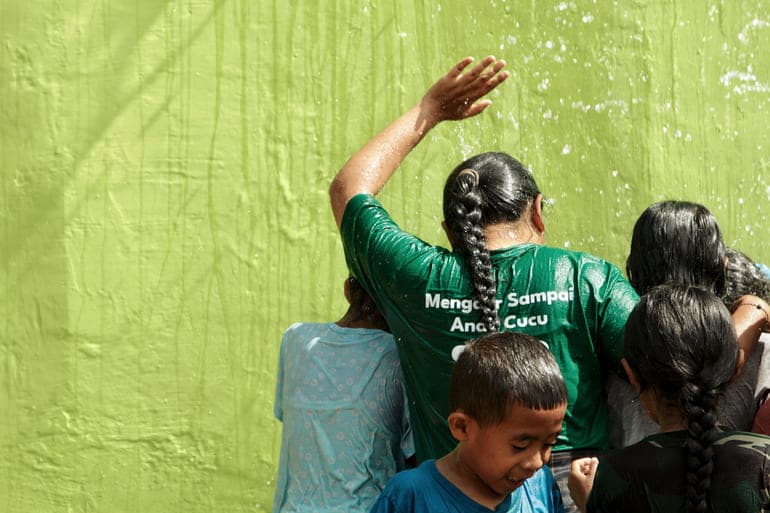
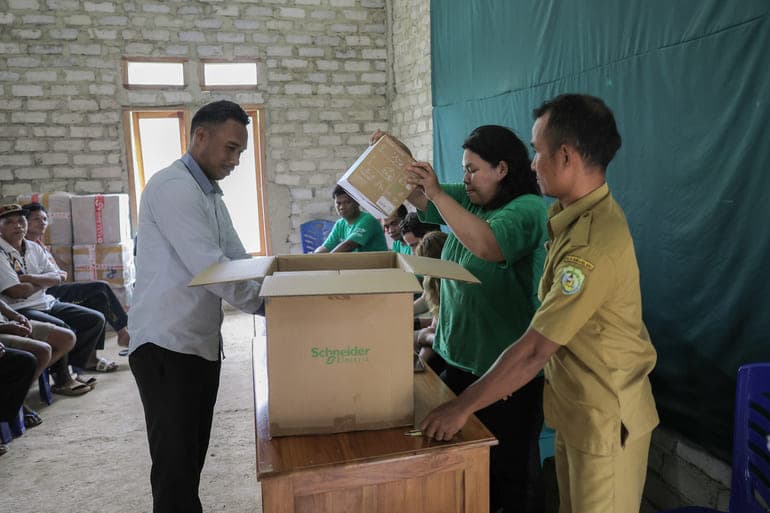
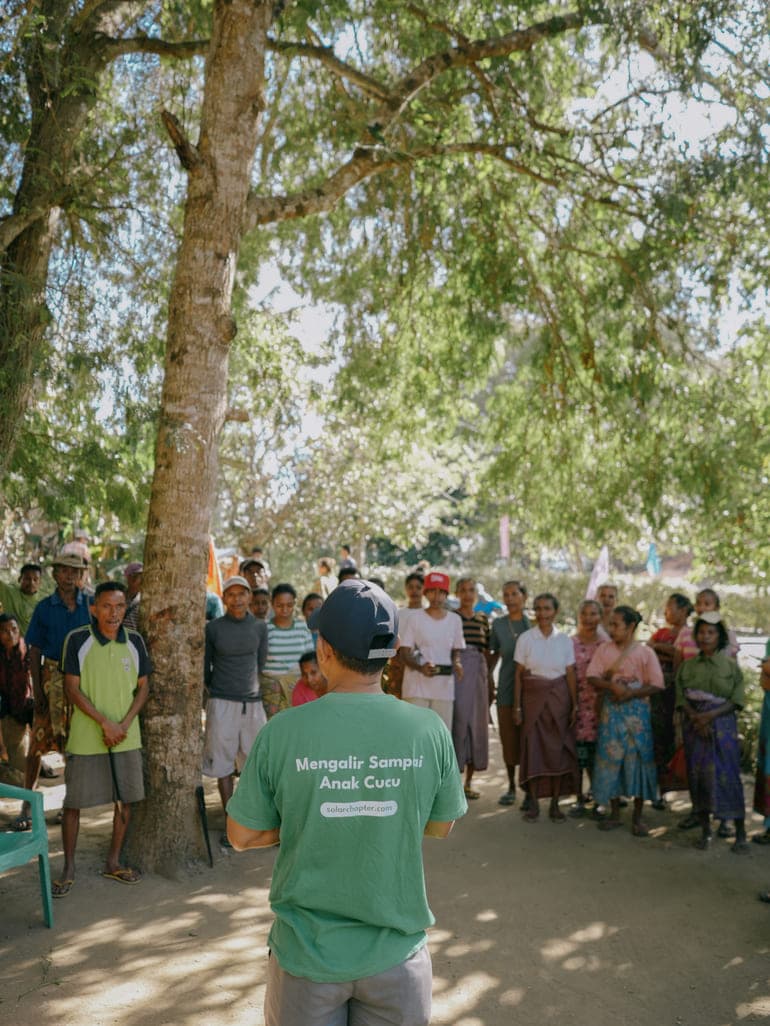
Co-invest with communities in systems they already fund. Your contribution is matched with village funds, maximizing existing resources and ensuring long-term functionality.
Bring your experience, networks, or perspective. Together, we can build on local knowledge and strengthen systems that communities already lead.
Contribute a portion of your business to something ongoing. It supports systems rooted in existing resources, so they can keep working long-term.
Start in a simple way. Your contribution helps maintain and improve systems already used every day, so they don't stop working.