
$211,882
Amount of MoUs Committed by Communities
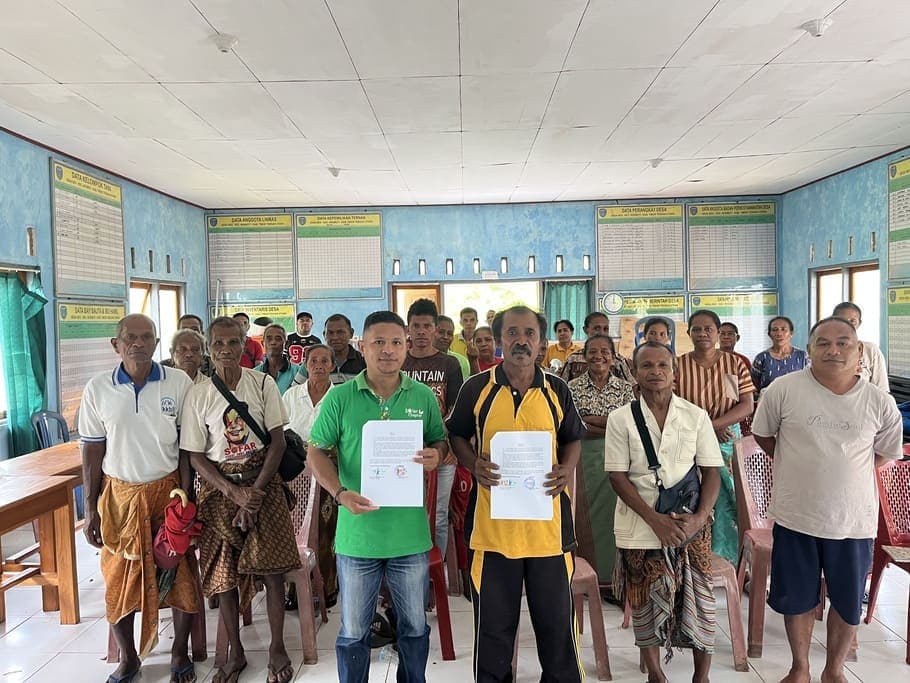
Villages we partner with don't just receive a system. They co-fund it. Every pledge represents a community that has decided this water system belongs to them.
Loading...
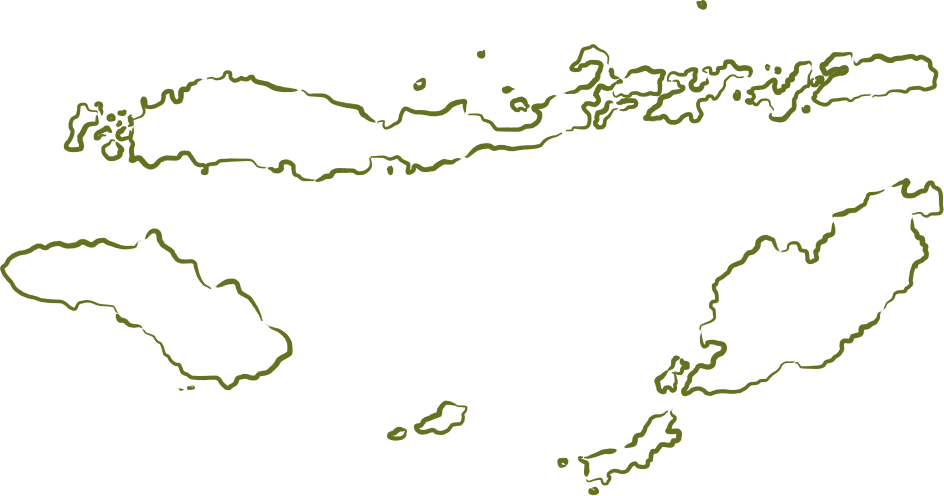
Malaka
Timor Tengah Utara
Sumba Barat
Sumba Tengah
Manggarai Barat
Sumba Barat Daya
Every system begins in the way water is part of daily life: where it flows, how it's used, and how routines form around it.
Across NTT, communities share these experiences, which guide how systems are planned, built, learned, and monitored.
Each part connects with the others, so systems can grow, adapt, and continue within the community.


Methodology: Impact data is collected through standardized baseline-endline surveys: 30 to 45 households per village (Slovin formula, 15% margin of error), minimum 50% women respondents, stratified across 3 economic levels. Quantitative results are cross-validated against Water IQ sensor data and direct field observation. Any discrepancy above 20% triggers a mandatory re-check.
0+ People
Now live closer to water
0+ Water Systems
Continue running, managed by communities
0+ Local Community
Trained community members sustaining them
0 Watt-Peak
of solar energy powers daily access
0% Increased Income
in income over time
And it continues through everyday life.
In how people work, learn, and care for themselves.
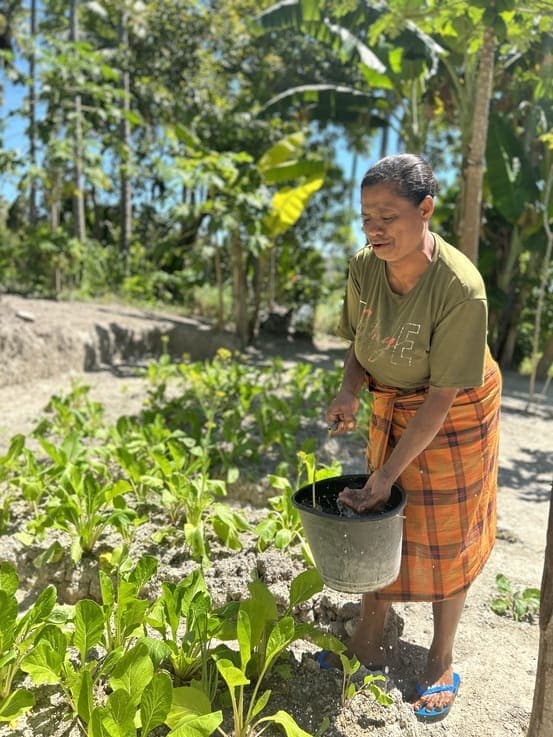
With water more accessible, families begin planting more using their own backyard. Over time, harvests also support daily meals, and sometimes, a small but steady source of income.

Because the most powerful measure of impact is the people who felt it.
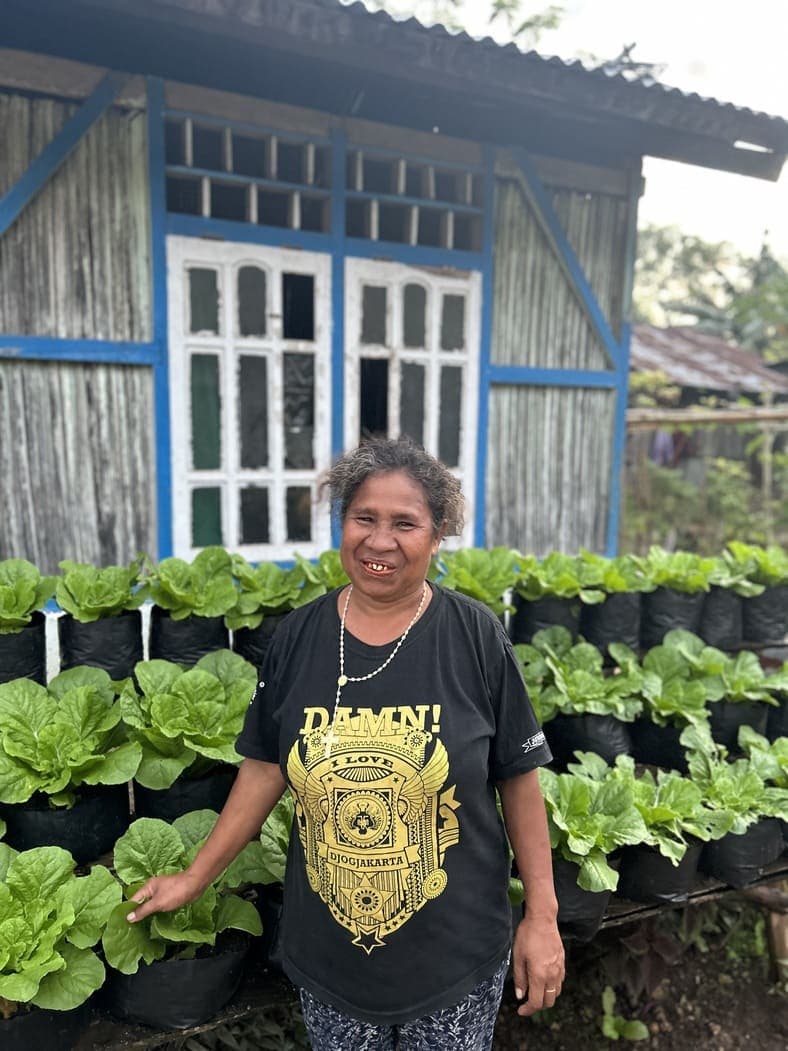
Water for Takarai, 2025
“Carrying pipes yesterday was heavy, but not as heavy as carrying jerry cans of water every single day.”
— Mama Rhina
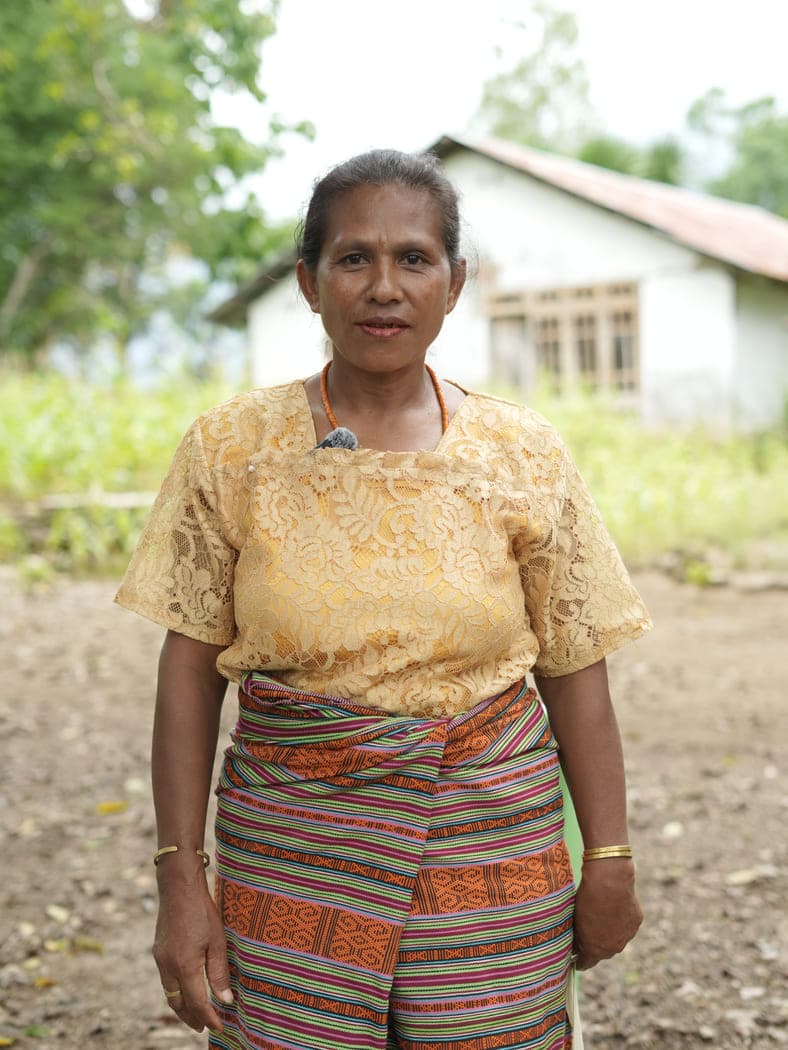
Water for Tublopo, 2025
“It's tough, Even though it's hard, we feel it's going to help us. That's why, no matter how hard it is, we keep working at it.”
— Mama Anggita
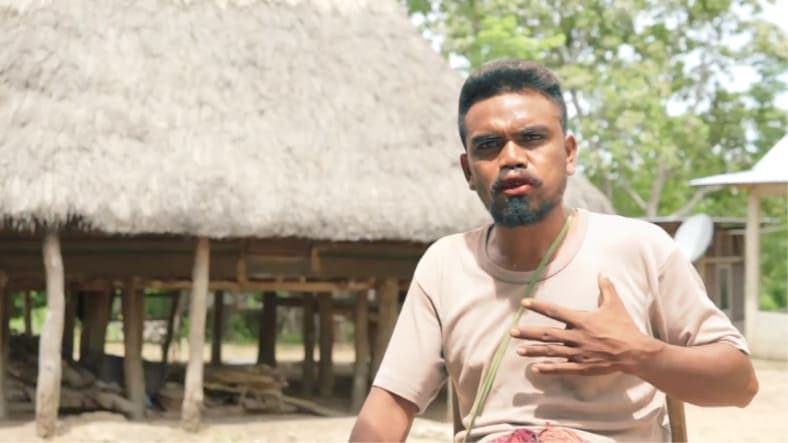
Water for Naisau, 2024
“It feels like heaven has come to our village. Water is finally here, and we don't have to struggle anymore. Now, we can do so much more, not just build water facility but also learn how to take care of them, so the water keeps flowing for generations to come.”
— Alfred
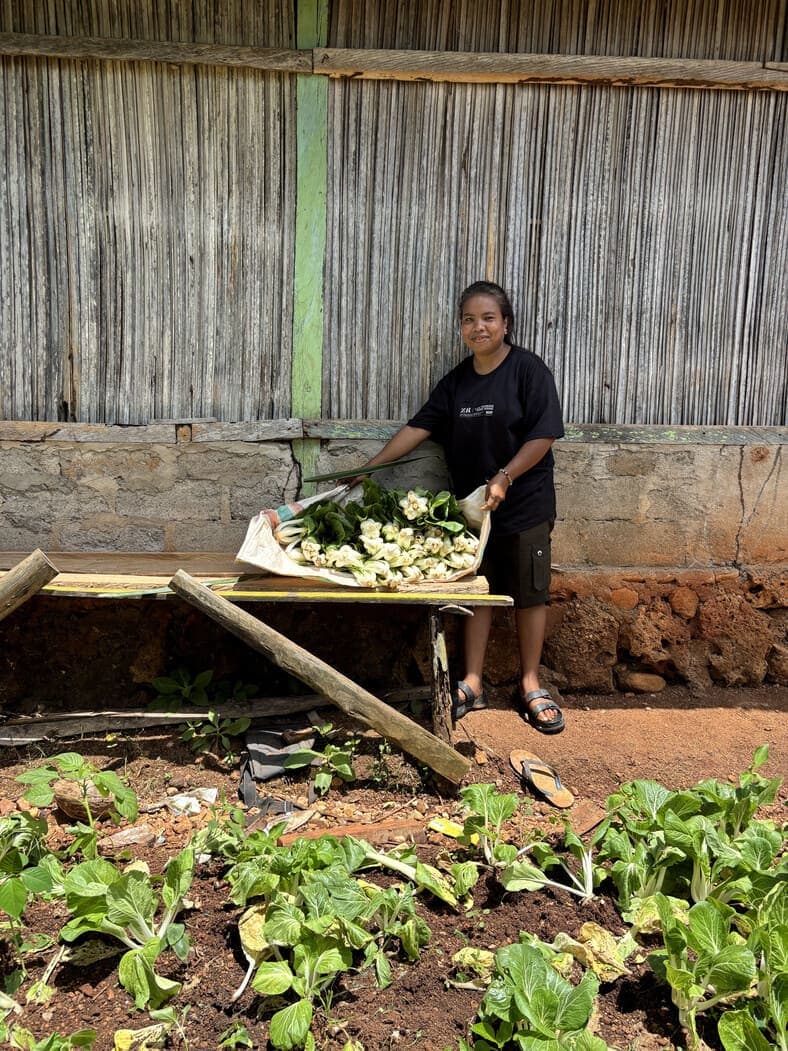
Water for Manulea 2024
“Cooking is so much easier now that we can harvest vegetables from our own doorstep. We've also started selling them for 20,000 rupiah a bundle, helping us earn a bit extra.”
— Mama Regina
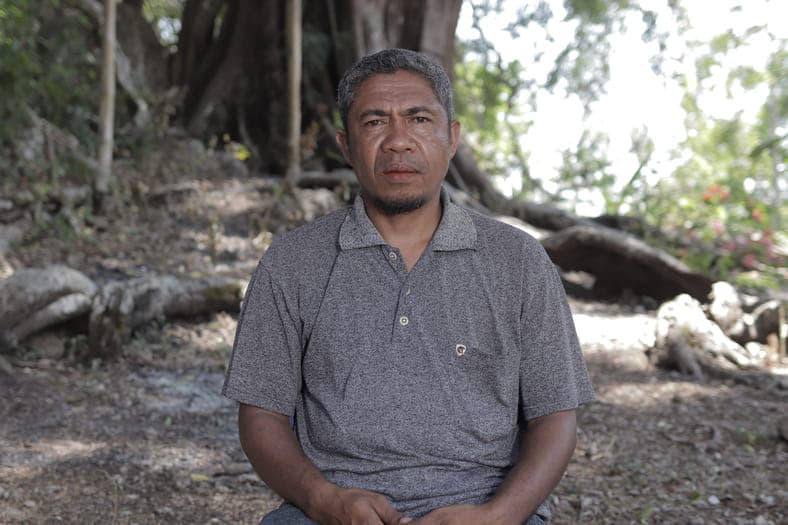
Water for Nifukani, 2025
“This morning, I woke up to a different sight. No one was heading to the spring anymore; instead, everyone was gathered at the taps. As I walked from one end of the village to the other, I felt a deep sense of pride. It brings me such joy to see my people collecting water right in front of their homes. Today, the spring is quiet.”
— Mateos Selan
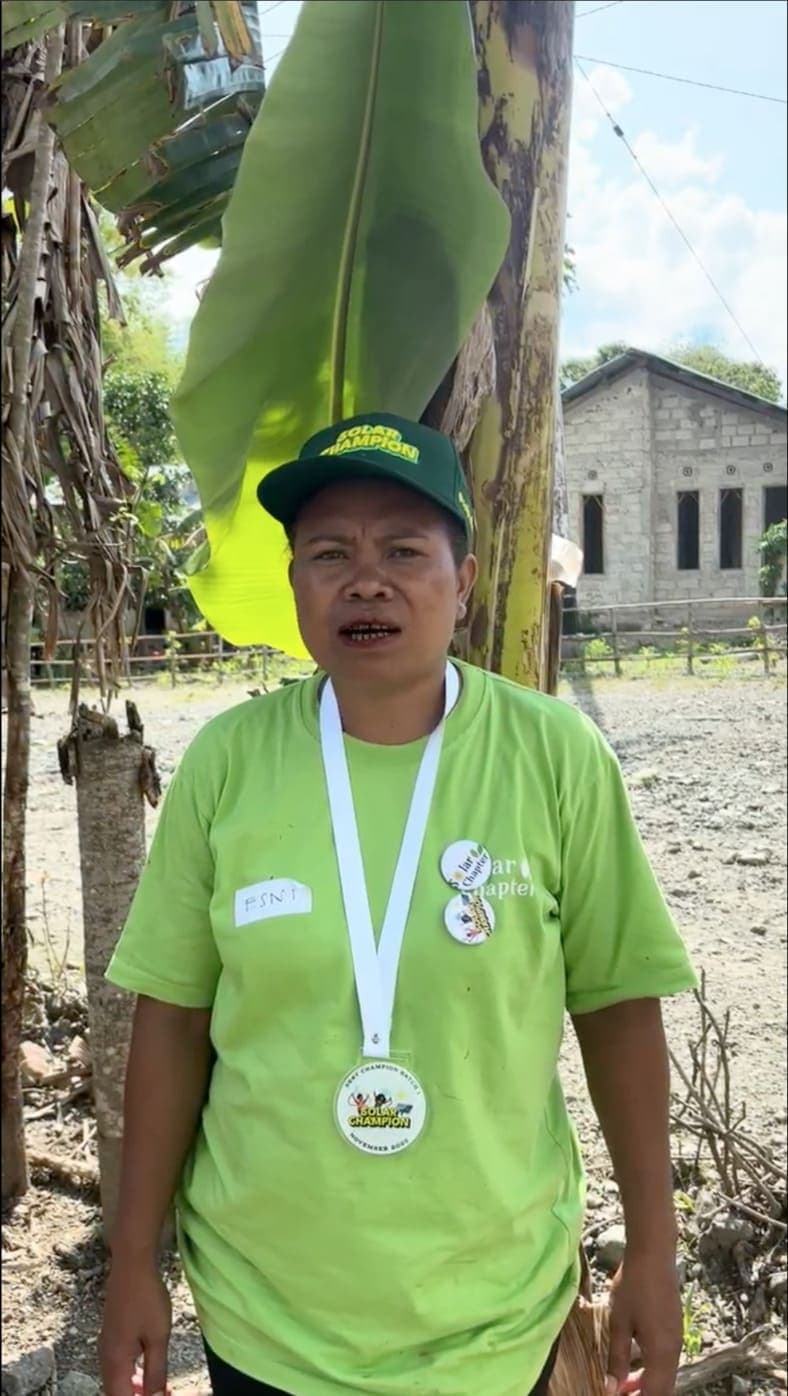
Water Committee Oenenu Selatan
“Afterward, we quickly engaged with our village, collected the first water fees with happiness, and set up new regulations for the Water Committee.”
— Mama Esni
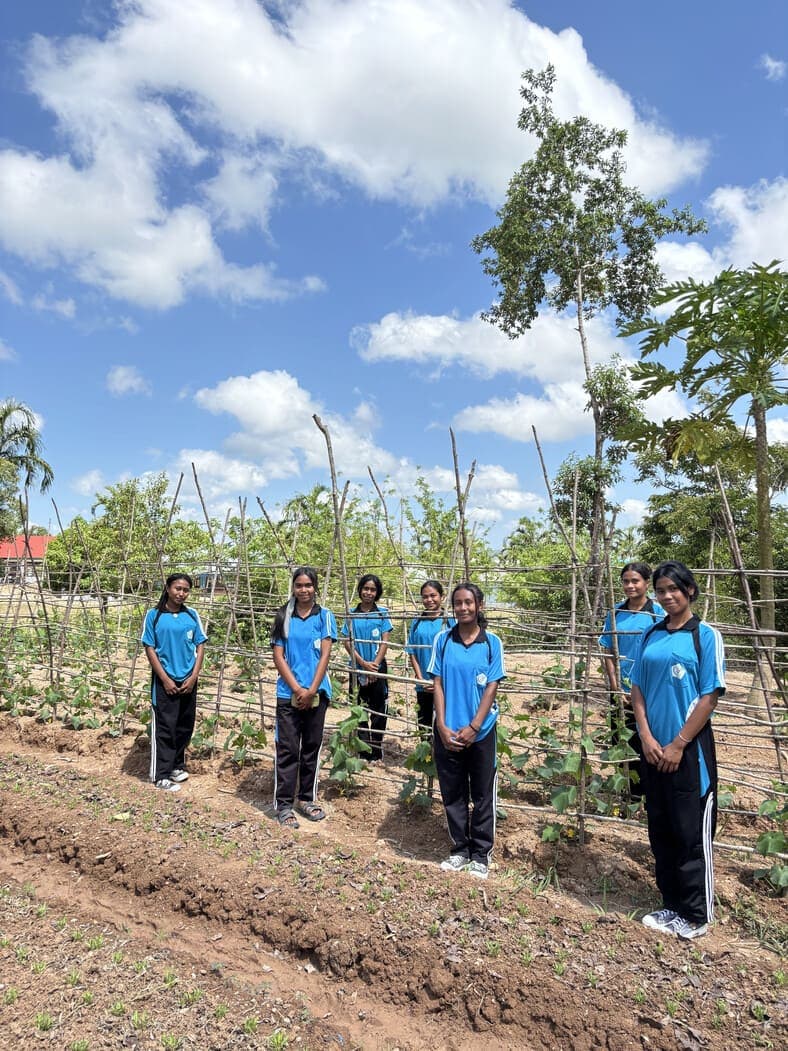
Water for SMK Sasitamean 2023
“Water is now closer to where we study and practice. We even received an award for participating in an agricultural exhibition in Kupang, where we showcased our farm products.”
— SMK Sasitamean
Because the most powerful measure of impact is the people who felt it.
Water for Takarai, 2025
“Carrying pipes yesterday was heavy, but not as heavy as carrying jerry cans of water every single day.”
— Mama Rhina
Water for Tublopo, 2025
“It's tough, Even though it's hard, we feel it's going to help us. That's why, no matter how hard it is, we keep working at it.”
— Mama Anggita
Water for Naisau, 2024
“It feels like heaven has come to our village. Water is finally here, and we don't have to struggle anymore. Now, we can do so much more, not just build water facility but also learn how to take care of them, so the water keeps flowing for generations to come.”
— Alfred
Water for Manulea 2024
“Cooking is so much easier now that we can harvest vegetables from our own doorstep. We've also started selling them for 20,000 rupiah a bundle, helping us earn a bit extra.”
— Mama Regina
Water for Nifukani, 2025
“This morning, I woke up to a different sight. No one was heading to the spring anymore; instead, everyone was gathered at the taps. As I walked from one end of the village to the other, I felt a deep sense of pride. It brings me such joy to see my people collecting water right in front of their homes. Today, the spring is quiet.”
— Mateos Selan
Water Committee Oenenu Selatan
“Afterward, we quickly engaged with our village, collected the first water fees with happiness, and set up new regulations for the Water Committee.”
— Mama Esni
Water for SMK Sasitamean 2023
“Water is now closer to where we study and practice. We even received an award for participating in an agricultural exhibition in Kupang, where we showcased our farm products.”
— SMK Sasitamean
$211,882
Villages we partner with don't just receive a system. They co-fund it. Every pledge represents a community that has decided this water system belongs to them.
5 Years
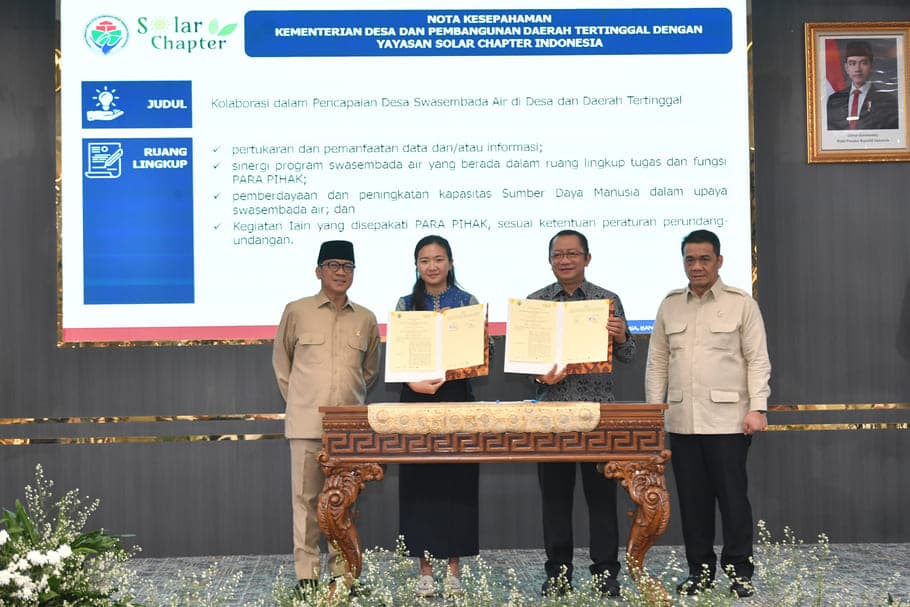
From 2025 to 2030, Solar Chapter is formally embedded in national rural water policy, with East Nusa Tenggara as a shared priority area.
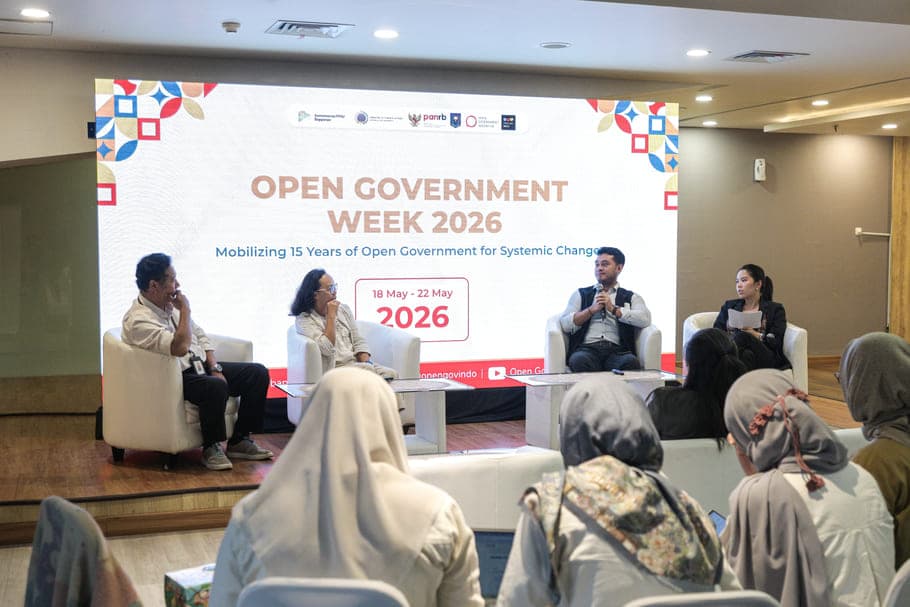
Partnering with NGO, Indonesia Ministry of Villages, and East Nusa Tenggara provincial government to advocate for how community-generated data and grassroots voices can shape inclusive policies.
18
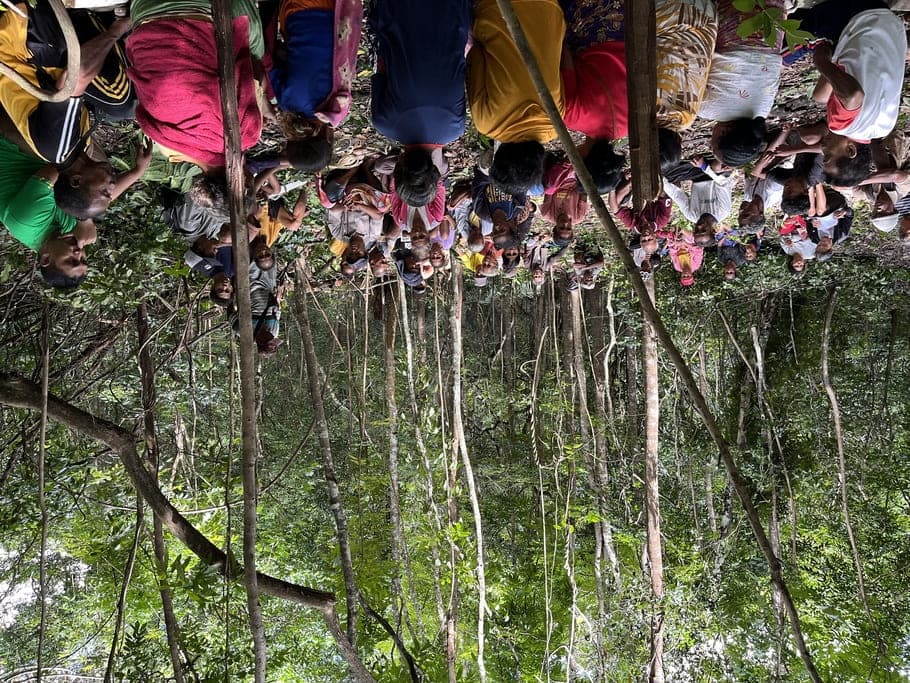
Every village has a locally elected committee of 5, including women, formalized through a Statement Letter from local government and trained through our bootcamp program to govern, maintain, and sustain their system independently.
$211,882
Villages we partner with don't just receive a system. They co-fund it. Every pledge represents a community that has decided this water system belongs to them.
5 Years
From 2025 to 2030, Solar Chapter is formally embedded in national rural water policy, with East Nusa Tenggara as a shared priority area.
Partnering with NGO, Indonesia Ministry of Villages, and East Nusa Tenggara provincial government to advocate for how community-generated data and grassroots voices can shape inclusive policies.
18
Every village has a locally elected committee of 5, including women, formalized through a Statement Letter from local government and trained through our bootcamp program to govern, maintain, and sustain their system independently.
We document everything. Each year we try to publish a full account of what we built, what it cost, what changed, and what we're still learning.
The pattern is proven. It needs more people willing to enter the system.