How water systems are shaped and sustained
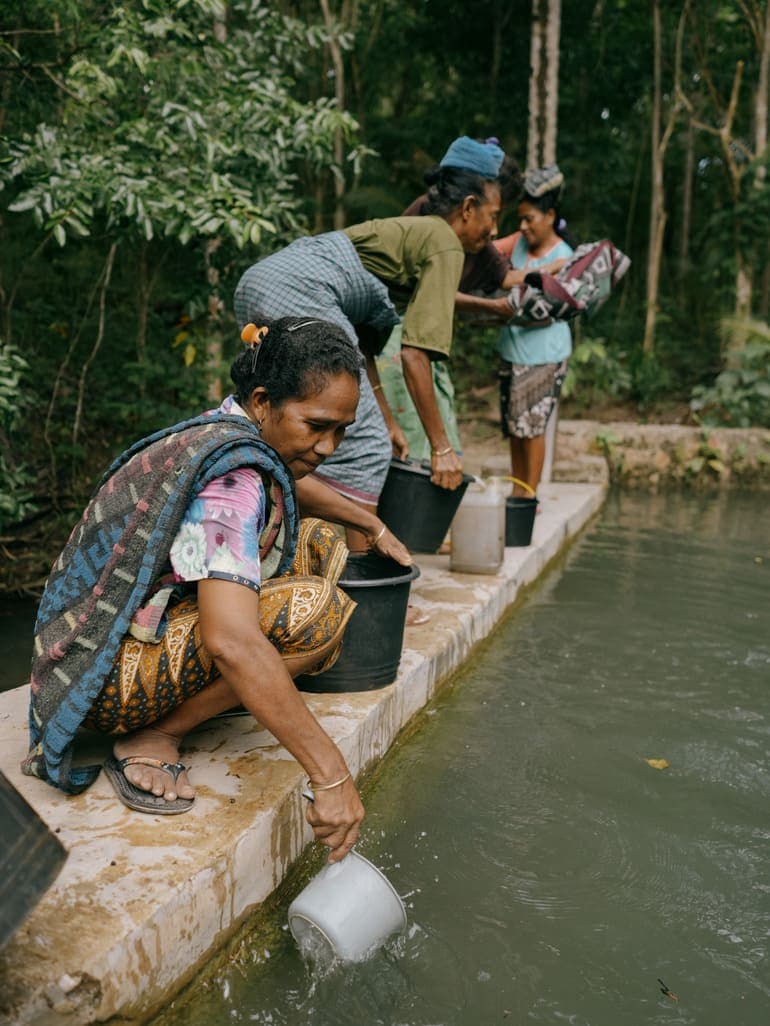
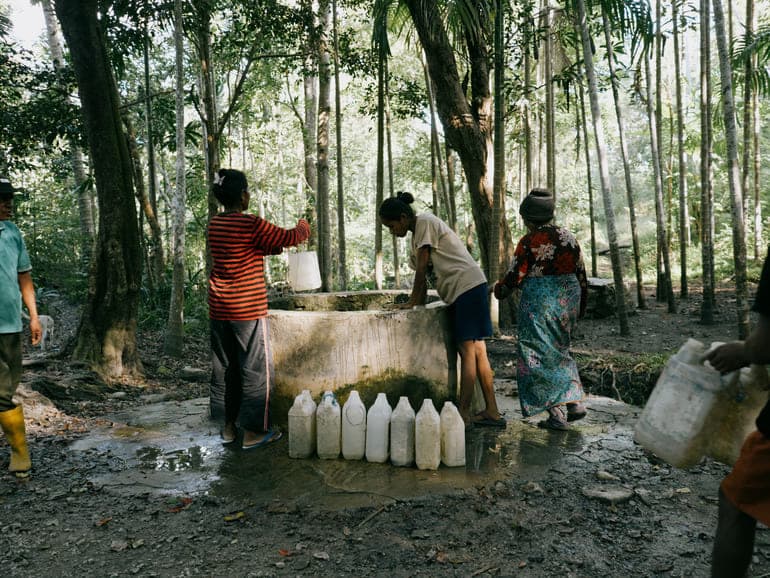
Nearly 1 in 4 households in East Nusa Tenggara lack access to water. This has been the reality for 1.4 million people in NTT for a long time. Not because the problem is unsolvable, but because the solutions built so far keep falling short of the people they were meant to serve.
Okay, tell me more →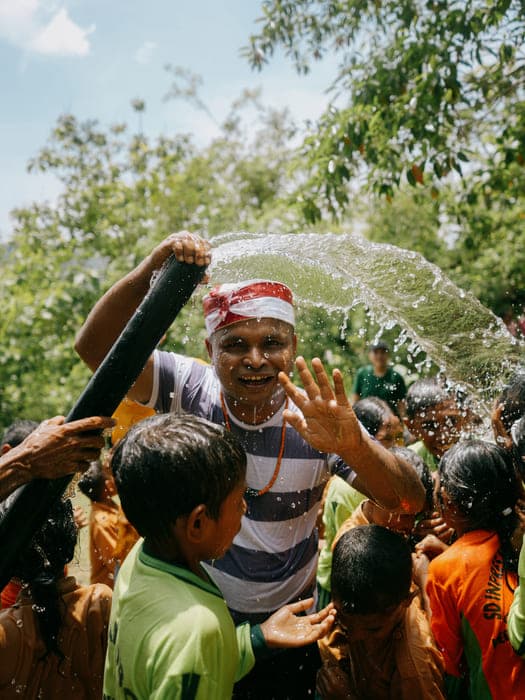
Why this keep happening?
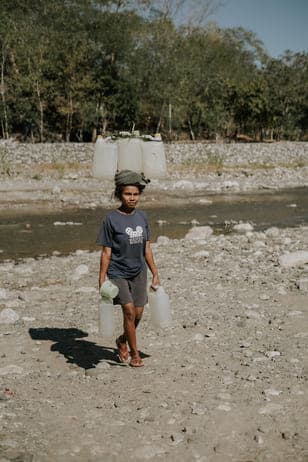
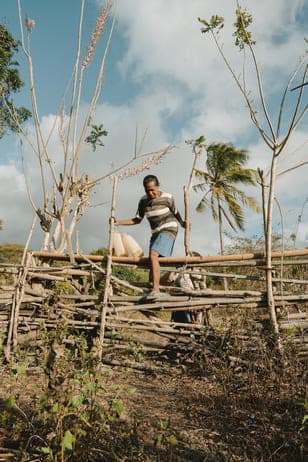
93% of families depend on rain
Climate change and water insecurity arrive together
When the rains come late, it isn't just the fields that suffer. The water source dries up. The harvest fails. Water insecurity and food insecurity in NTT strike at the same time, compounding each other season after season.
Climate change and water insecurity arrive together
When the rains come late, it isn't just the fields that suffer. The water source dries up. The harvest fails. Water insecurity and food insecurity in NTT strike at the same time, compounding each other season after season.
No local data, no clear plan
Communities are invisible to the systems meant to help them
Limited visibility into on-the-ground realities or community feedback means interventions are designed from the outside in. Without local data, even well-funded projects miss the mark.
Communities are invisible to the systems meant to help them
Limited visibility into on-the-ground realities or community feedback means interventions are designed from the outside in. Without local data, even well-funded projects miss the mark.
40 to 60% of systems fail within 5 yearsInfrastructure is built,
Infrastructure is built,
then left behind
Rural water systems across Indonesia collapse within five years of being built, not because of bad materials, but because of no long-term functionality plan, no community capacity, and no monitoring. The build ends. The responsibility doesn't transfer.
Source: DFAT
Infrastructure is built,
then left behind
Rural water systems across Indonesia collapse within five years of being built, not because of bad materials, but because of no long-term functionality plan, no community capacity, and no monitoring. The build ends. The responsibility doesn't transfer.
Source: DFAT
We start before the first pipe is laid.
We stay long after the build is done.
We don't bring a solution into a community. We build one with them. Community-led from day one. Strengthened by collaboration. Grounded in local knowledge, extended by technology.
[Community-led] / [Collaborative] / [Technology + Local Knowledge]
Our Approach
Water mapping
Mengalir.co
Every community has a story about its water: where it comes from, when it disappears, who walks the furthest to find it. With Mengalir.co we are working directly with communities, we map the land, the sources, the risks, and the people most affected. This moves decisions from assumptions to evidence.
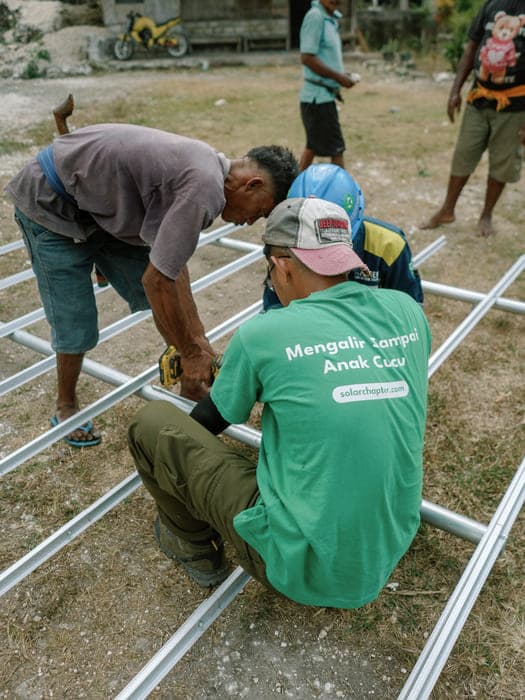
Beyond water, unlocking energy access
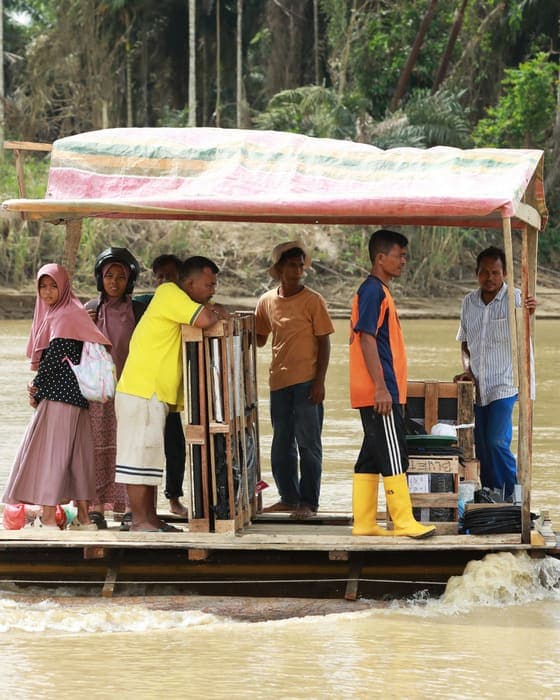
Water was never the whole story. Alongside our core programs, we've been quietly piloting what else solar energy can unlock for communities.
Light It Up